Church Construction Fundraising: A Guide to Building a Sanctuary
Building a church requires a clear vision, careful financial planning, construction resources, and a community that understands the purpose of the project. A sanctuary provides a dedicated place for worship, prayer, fellowship, and spiritual learning. Turning that vision into reality takes time, preparation, and support from people who believe in the importance of a welcoming place of worship.
Church construction fundraising helps religious organizations communicate their building needs, organize voluntary financial support, and work toward construction goals. With a realistic budget and transparent communication, a church can explain its plans and invite interested supporters to learn about the project.
At ELEVATE FAITH CHURCH, our vision is to develop a welcoming sanctuary where people can gather in faith and community. We invite you to learn about our building campaign and explore the available ways to support the project.
Why Churches Need a Construction Fundraising Plan
A construction project involves many expenses beyond the visible structure. Depending on the plans, a church may need to budget for architectural services, engineering, building materials, skilled labor, electrical installations, plumbing, roofing, inspections, and interior facilities.
Without a clear financial plan, it can be difficult to determine which tasks should receive priority and how available resources should be allocated.
Church construction fundraising provides a structured way to communicate project requirements and invite voluntary contributions. A fundraising plan should identify the building goals, outline the intended use of funds, and explain how the organization will communicate progress.
Realistic planning is particularly important when construction depends on contributions received over time. Project schedules and costs can change, so fundraising communications should avoid guaranteeing completion dates or results that have not been confirmed.
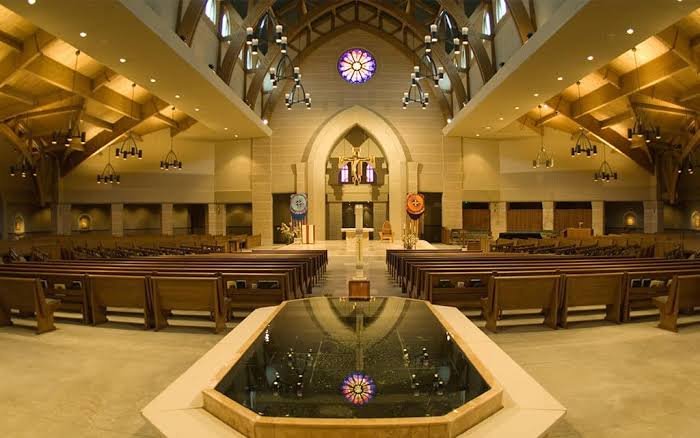
For ELEVATE FAITH CHURCH, explaining the purpose of the sanctuary project helps potential supporters understand the vision and make informed decisions about participation.
Understanding the ELEVATE FAITH CHURCH Building Vision
A church sanctuary can provide a dedicated setting for worship services, prayer meetings, Bible study, and congregational gatherings. Its design should reflect the needs of the people who will use it while meeting applicable construction and safety requirements.
ELEVATE FAITH CHURCH aims to establish a welcoming place where people can come together in faith. Achieving this vision requires thoughtful planning, construction resources, and responsible management of available funding.
You can learn more about the organization’s mission on the ELEVATE FAITH CHURCH About Us page.
Our building campaign provides an opportunity for interested supporters to learn about the sanctuary vision and review the available donation information. Church construction fundraising can help advance a project when contributions are used according to the campaign’s stated purpose.
Before making a contribution, supporters should review the information available about the project, ask questions if anything is unclear, and decide whether participating aligns with their personal values and financial circumstances.
Five Important Areas to Consider in a Church Construction Budget
A realistic construction budget helps an organization understand its requirements and explain the purpose of its fundraising efforts.
1. Architectural Planning and Engineering
Before construction progresses, projects may require architectural drawings, structural engineering, site assessments, and other professional services.
These activities help establish the building’s design, identify technical requirements, and determine how the proposed structure can be developed in accordance with applicable regulations.
The necessary services depend on the project’s size, location, design, and construction stage. A fundraising plan should account for relevant professional costs when they are part of the approved budget.
2. Structural Materials and Building Work
Concrete, steel reinforcement, framing, masonry, roofing, and other materials may represent significant construction expenses.
The quantities required depend on the approved plans and the condition of the construction site. Project managers must coordinate purchasing and construction schedules to use resources effectively.
Funds raised for these expenses should be allocated according to the campaign’s terms and documented project requirements.
3. Skilled Labor and Installation
Building a functional sanctuary requires qualified professionals and construction workers. Depending on the project, their responsibilities may include structural work, electrical installation, plumbing, roofing, and interior finishing.
Professional labor contributes to the safe and appropriate development of the facility. A detailed budget can help the organization understand these costs and explain which expenses are eligible for campaign funding.
4. Seating and Interior Facilities
A sanctuary may need seating, lighting, sound equipment, flooring, accessibility features, and other interior facilities.
These items should be selected according to the intended use of the building, approved plans, and available resources. Essential construction and safety requirements should be prioritized before optional improvements.
5. Permits, Inspections, and Safety Requirements
Depending on local requirements, construction may involve permits, inspections, insurance, and professional assessments. These costs should be considered as part of the overall project budget.
Understanding these expenses helps donors see why a construction campaign may require resources for more than materials and visible building work.
How Fundraising Can Help a Church Move Forward
A construction project often progresses through stages, with each stage depending on funding, professional coordination, and the completion of previous work.
Church construction fundraising can help an organization communicate its needs and invite support for eligible expenses. However, fundraising results are not guaranteed, and the construction schedule must reflect actual resources and project conditions.
A responsible campaign should explain what it aims to accomplish, how contributions may be used, and whether funding priorities may change as construction progresses.
Supporters should also be able to ask questions about the project and understand what information is available regarding construction progress.
At ELEVATE FAITH CHURCH, interested supporters can explore the church building donation campaign to review the available information about supporting the sanctuary project.
Ways Supporters Can Participate
People have different financial circumstances and reasons for supporting a faith-based building project. Participation should always be voluntary, and no one should feel pressured to contribute money needed for essential living expenses.
Here are several practical ways to get involved.
Learn about the project. Review the organization’s website and available information about its building goals.
Share accurate campaign information. If you know people who may be interested, share the official website and explain the project’s purpose without making unsupported claims.
Consider a voluntary contribution. Choose an amount that is comfortable for your circumstances, if you decide to participate.
Ask questions before donating. Clarify the intended use of funds, available payment methods, and donation documentation.
Keep your records. Save transaction confirmations and receipts for future reference.
These steps can make church construction fundraising a more informed and transparent process for both organizations and supporters.
Building Trust Through Transparency
Donor trust depends on clear information, responsible financial practices, and realistic communication.
Organizations should explain who is receiving contributions, what the campaign supports, and how funds may be allocated. They should also communicate relevant changes to the project when appropriate and maintain suitable financial records.
A fundraising campaign should not imply that every contribution guarantees a specific construction outcome. Instead, it should explain the intended purpose of funds and any relevant conditions.
For supporters in the United States, tax treatment is another important consideration. Contributions are not automatically tax-deductible simply because they support a religious or charitable project.
The Internal Revenue Service guidance on charitable contributions provides general information about charitable giving and related documentation. Donors should confirm the recipient’s eligibility and seek professional tax advice when necessary.
Transparent communication allows potential supporters to make decisions based on accurate information rather than assumptions.
Planning for the Future of the Sanctuary
Completing construction is only one part of establishing a sustainable church facility. A congregation must also consider maintenance, utilities, repairs, safety, accessibility, and other ongoing operating expenses.
Planning for these responsibilities helps ensure that decisions about construction account for the building’s long-term needs.
Church construction fundraising should therefore be connected to realistic project priorities and responsible stewardship. An organization benefits from understanding the resources required for immediate construction as well as the obligations associated with maintaining the facility after completion.
For donors, this broader perspective helps explain why thoughtful planning matters throughout the life of a building project.
Frequently Asked Questions
What is church construction fundraising?
It is the process of inviting voluntary financial support for a church building project. Depending on the campaign’s terms, funds may support eligible construction materials, labor, professional services, and other disclosed project expenses.
How can I support ELEVATE FAITH CHURCH?
Visit elevatefaith.church to learn about the organization. You can also review the church building donation page for available information about the building campaign.
Can small contributions help a construction project?
Contributions of different sizes may help support eligible project expenses, depending on the campaign’s terms and available funding. Every donor should choose an amount appropriate to their financial circumstances.
How can I learn how campaign funds are used?
Review the published campaign information and any available budget or construction updates. Contact the organization if you need clarification about fund allocation or donation records.
Are church construction contributions tax-deductible?
Not automatically. US tax treatment depends on the recipient’s eligibility, the nature of the contribution, and applicable tax rules. Consult official IRS guidance or a qualified tax professional.
Take the Next Step Toward a Welcoming Place of Worship
Creating a sanctuary requires a shared vision, careful planning, appropriate construction resources, and responsible financial management. ELEVATE FAITH CHURCH invites interested supporters to learn about its building vision and explore the available ways to participate.
Church construction fundraising provides one way to organize voluntary support for a project intended to serve a faith-centered community. Before contributing, review the campaign’s purpose, understand the intended use of funds, and make a decision that reflects your circumstances.
We believe that honest communication and informed giving are important foundations for building trust with supporters.
Visit ELEVATE FAITH CHURCH to learn more, or explore the church building donation campaign for further information.
Thank you for taking the time to learn about our vision for a welcoming place where faith, worship, and community can grow together.