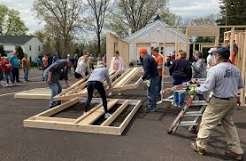
Church Construction Donations: Help Build a Place of Worship
A church is more than a physical structure. It is a place where people gather to pray, worship, strengthen their faith, and build meaningful connections with others. Creating a welcoming sanctuary requires a shared vision, careful planning, construction resources, and the support of people who believe in the importance of a faith-centered community.
Through church construction donations, supporters can help a congregation work toward its building goals and create a space designed for worship, fellowship, and spiritual growth.
At ELEVATE FAITH CHURCH, our vision is to establish a welcoming sanctuary where people can come together in faith and community. Our building campaign invites interested supporters to learn about the project, understand its needs, and explore ways to contribute voluntarily.
Whether you are an individual donor, a family, a church member, or someone who values places of worship, learning about the purpose of a construction campaign can help you make an informed giving decision.
Why Church Construction Donations Matter
Building a church requires more than a vision and a suitable location. A construction project may involve architectural planning, structural work, building materials, skilled labor, electrical systems, plumbing, permits, inspections, and interior finishing.
These expenses must be managed carefully to ensure that the building meets its intended purpose and applicable requirements. For congregations working toward a new sanctuary, financial support can be an important part of the process.
Church construction donations may help fund eligible project expenses, depending on the campaign’s terms and budget. Contributions can also help a congregation plan for different stages of construction as resources become available.
At ELEVATE FAITH CHURCH, we encourage supporters to learn about the sanctuary vision and review the available information before contributing. Clear communication helps donors understand the purpose of the campaign and the practical needs involved in developing a place of worship.
A successful building project depends on realistic planning, responsible financial decisions, and a commitment to using resources appropriately.
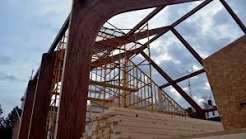
The Vision Behind ELEVATE FAITH CHURCH
Every church building project begins with a purpose. A sanctuary provides a dedicated environment for congregational worship, prayer, spiritual learning, and community gatherings.
The vision behind ELEVATE FAITH CHURCH is to develop a welcoming space where people can come together and participate in faith-centered activities. Bringing that vision to life requires attention to the building’s design, construction requirements, available funding, and long-term maintenance.
Our campaign focuses on helping the project move toward its intended goals through informed planning and voluntary support.
You can learn more about our mission on the ELEVATE FAITH CHURCH About Us page and explore the organization’s website at elevatefaith.church.
Church construction donations can play a role in supporting this vision when funds are allocated according to the campaign’s stated purpose. Donors should review the information available about the project and contact the organization if they have questions about its progress or funding requirements.
Where Church Construction Donations May Be Used
Transparency is important when people consider supporting a building campaign. Understanding potential construction expenses gives donors a clearer picture of the resources required to develop a functional sanctuary.
The exact allocation of funds depends on the project’s approved budget, current construction stage, and published fundraising terms.
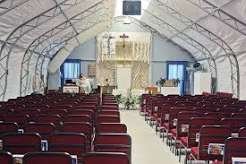
1. Building Materials and Structural Work
Construction materials form the foundation of a building project. Depending on the approved plans, these may include concrete, steel reinforcement, structural framing, masonry, roofing materials, flooring, and other essential supplies.
The amount and type of material needed depend on the building design and the stage of construction. Proper planning helps ensure that purchases align with project requirements.
Contributions designated for these expenses can help the organization meet eligible material costs as funding becomes available.
2. Skilled Labor and Professional Services
Church construction involves professionals and workers with specialized skills. Their responsibilities may include structural construction, electrical installation, plumbing, roofing, finishing, and other necessary work.
Architects, engineers, contractors, and inspectors may also be involved, depending on the project’s requirements.
Church construction donations may support eligible labor and professional expenses if these costs are included in the campaign budget. Documenting such expenses helps the organization manage resources responsibly and communicate clearly with supporters.
3. Sanctuary Seating and Interior Facilities
A sanctuary needs an interior that supports its intended use. Depending on the plans, this may include seating, lighting, flooring, sound equipment, accessibility features, and other furnishings.
These facilities help make the finished building practical for worship services and congregational gatherings.
The organization should prioritize interior improvements according to the approved plans, safety requirements, and available resources rather than promising facilities that have not yet been funded or confirmed.
4. Electrical, Plumbing, and Safety Systems
A functional church building requires more than walls and a roof. Electrical installations, water systems, plumbing, ventilation, and appropriate safety provisions are important considerations.
Applicable building codes and professional assessments determine which systems and installations are required.
Financial planning should account for these needs so that construction progresses toward a usable facility. Donors can ask whether these expenses are included in the building campaign and how priorities are determined.
5. Permits, Inspections, and Related Expenses
Construction projects may require permits, inspections, insurance, professional assessments, and administrative work. Requirements vary according to the property’s location, building design, and scope of construction.
A realistic budget should identify applicable costs and explain whether campaign funds may be used for them.
Clear information about construction expenses helps supporters understand the overall project instead of focusing only on visible materials or the building’s exterior.
How Your Support Can Make a Difference
People support faith-based projects for different reasons. Some value the opportunity to help establish a place of worship, while others appreciate the role that congregational spaces can play in bringing people together.
A contribution does not have to cover an entire construction expense to be part of a larger fundraising effort. Supporters can choose whether to participate and determine an amount that suits their circumstances.
Church construction donations should always be voluntary. No donor should feel pressured to give money that is needed for essential living expenses or financial obligations.
For ELEVATE FAITH CHURCH, building a relationship with supporters begins with providing useful information about the vision, explaining the intended purpose of the campaign, and encouraging questions before contributions are made.
If you are considering participating, visit our church building donation page to review the available campaign information and donation options.
How to Support a Church Building Campaign
Supporting a construction project begins with understanding the organization and its goals. The following steps can help you make an informed decision.
Step 1: Learn about the organization. Visit the ELEVATE FAITH CHURCH website and read the available information about its mission, vision, and building project.
Step 2: Review the campaign’s purpose. Understand the construction goals, published funding needs, and expenses that contributions are intended to support.
Step 3: Ask questions when necessary. If you need clarification about the project, donation processing, or allocation of funds, contact the organization before contributing.
Step 4: Choose an affordable contribution. Decide whether you want to participate and select an amount that fits your personal financial circumstances.
Step 5: Use the verified donation process. Access the organization’s official website, review the payment details, and confirm the intended recipient before completing a transaction.
Step 6: Keep your confirmation. Save your donation receipt and any related correspondence. If you require tax documentation, ask the organization about the records it provides.
These steps allow potential donors to approach church construction donations with greater confidence while maintaining control over their own giving decisions.
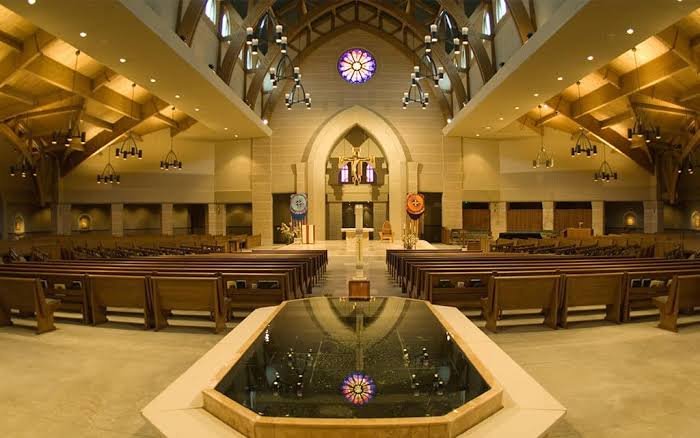
Why Transparency and Responsible Giving Matter
Trust is an essential part of charitable fundraising. Supporters should be able to understand who is collecting funds, why the campaign exists, and what expenses the contributions may cover.
A responsible campaign communicates its purpose clearly, avoids unsupported promises, and provides accurate information about its financial practices. It should also explain how changes in the construction schedule or project scope may affect the use of funds.
Church construction donations should be managed in accordance with the campaign’s terms and applicable legal requirements. Organizations should maintain appropriate records and provide accurate donation confirmations.
Donors in the United States can consult the Internal Revenue Service guidance on charitable contributions for general information about charitable giving and documentation.
Tax deductibility is not automatic for every payment or organization. Eligibility depends on the recipient, the nature of the contribution, and applicable tax rules. Donors should confirm the organization’s status and seek professional tax advice when necessary.
Transparent communication helps supporters make decisions based on reliable information rather than assumptions about how their contributions will be used.
The Long-Term Value of a Church Sanctuary
A well-planned sanctuary can provide a congregation with a dedicated space for worship, prayer meetings, Bible study, celebrations, and other gatherings.
However, completing construction is only one part of creating a sustainable facility. A church must also consider future maintenance, utilities, accessibility, safety, repairs, and the resources required to operate the building.
Planning for these responsibilities helps the organization consider the long-term needs of the facility alongside immediate construction priorities.
Church construction donations may contribute to the development stage when used according to the campaign’s stated purpose. Thoughtful planning and responsible stewardship help ensure that decisions about construction reflect both present requirements and future obligations.
For donors, understanding these broader responsibilities provides a more complete picture of what establishing and maintaining a place of worship involves.
Frequently Asked Questions
What are church construction donations?
Church construction donations are voluntary contributions intended to support a church building project. Depending on the campaign’s terms, eligible expenses may include construction materials, labor, professional services, building systems, or other disclosed project costs.
How can I support ELEVATE FAITH CHURCH?
Visit ELEVATE FAITH CHURCH to learn about the organization and its vision. You can also review the church building donation campaign for available information about supporting the project.
Can a small donation help a church construction project?
A contribution of any size may help fund eligible project expenses, depending on the campaign’s terms and available resources. Choose an amount that is appropriate for your financial circumstances. Individual contributions do not guarantee a particular construction outcome.
How can donors understand where funds are used?
Review the campaign’s published purpose, available budget information, and donation terms. Contact the organization with questions about fund allocation, construction updates, or the documentation available to supporters.
Are church construction donations tax-deductible in the United States?
Not automatically. Tax treatment depends on the recipient’s eligibility, the nature of the contribution, and applicable tax rules. Consult official IRS guidance or a qualified tax professional for advice about your circumstances.
Support the Vision for a Welcoming Sanctuary
Creating a place of worship requires a shared vision, careful planning, appropriate resources, and responsible stewardship. ELEVATE FAITH CHURCH invites interested supporters to learn about its sanctuary construction vision and explore the available ways to participate.
Church construction donations offer one possible way to support the development of a faith-centered gathering place. Before contributing, review the campaign’s purpose, understand the intended use of funds, and choose an amount that reflects your circumstances.
We believe that clear communication and thoughtful giving are important foundations for building trust with supporters. We encourage you to learn more about our mission, ask questions, and make an informed decision.
Visit ELEVATE FAITH CHURCH to explore our website, or review our church building donation page for information about the building campaign.
Thank you for taking the time to learn about our vision for a welcoming place where faith, worship, and community can grow together.